
 EN
EN
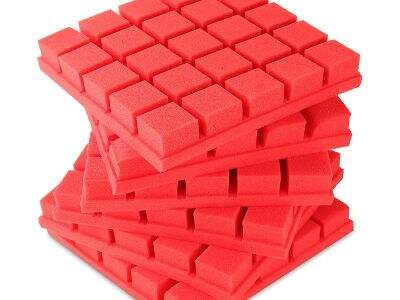
The size of the pores in the foam utilized in the acoustic panels has a considerable impact on the extent to which they can absorb sound. Indeed, the pore size particularly determines how good the acoustic panels are at attenuating the noise. Thus, pore size constitutes an essential concept about the sound-absorbing capacity of acoustic panels to manipulate their characteristics
How does the pore size of foam in acoustic panels affect sound absorption
The pore size of the foam in acoustic panels determine the extent of their sound absorption. In other words, larger pores allow the sound waves to travel further into the material before absorbing sound. Thus, the larger the pore size, the more effective the acoustic panels are at reducing noise. Alternatively, the smaller pores leave short pathways for sound waves through the material, hence the lower overall amount the sounds the panels can absorb. Manufacturers select the desired pore size for foam to use for acoustic panels so they can target particular frequencies and optimize the acoustic panels’ sound-absorbing performance

One determinant of the capability of acoustic panels to absorb sound is the size of the pore of the foam used in making the panels
The pore size would make acoustic panels with low-frequency sounds more effective. Odegard reports that panels with large pores are effective in absorbing low-frequency sound energy, like the rumble of the machinery or traffic. However, acoustic panels with smaller pore sizes have less capacity to absorb sound
The foam used in making such panels is efficient in reducing mid-range frequencies
Mid-range frequencies are sounds from human speech or music. Manufacturers can, therefore, make acoustic panels that are effective in improving or reducing sound in their environments based on the levels and types of noise. Whether in an office, restaurant, or event venue, the sound system can be sound noisy or produce varying levels of sound
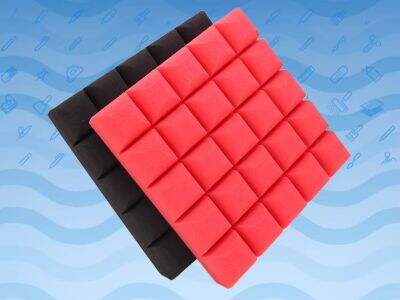
The significance of pore size in acoustic panel foam cannot be overstated
The pore size of the foam has a significant impact on the sound absorption effect, as it influences the sound waves’ interaction with foam samples. Smaller pore sizes result in more direct contact between sound waves and the sample over a given period, which maximizes absorption. However, if the pore size is excessive, it may allow more of the sound waves to penetrate without adequate absorption. Manufacturers who understand the relationship among foam pore size and sound absorption can structure their items to satisfy customer demands by facilitating an exponential increase in summarized information. One can optimize panel performance by choosing the right pore size to satisfy their specific demands at JIANG FEN BEI. We realize the importance of pore size in panel foam and offer a variety of goods to enable increased sound absorption
Table of Contents
- How does the pore size of foam in acoustic panels affect sound absorption
- One determinant of the capability of acoustic panels to absorb sound is the size of the pore of the foam used in making the panels
- The foam used in making such panels is efficient in reducing mid-range frequencies
- The significance of pore size in acoustic panel foam cannot be overstated