
 EN
EN
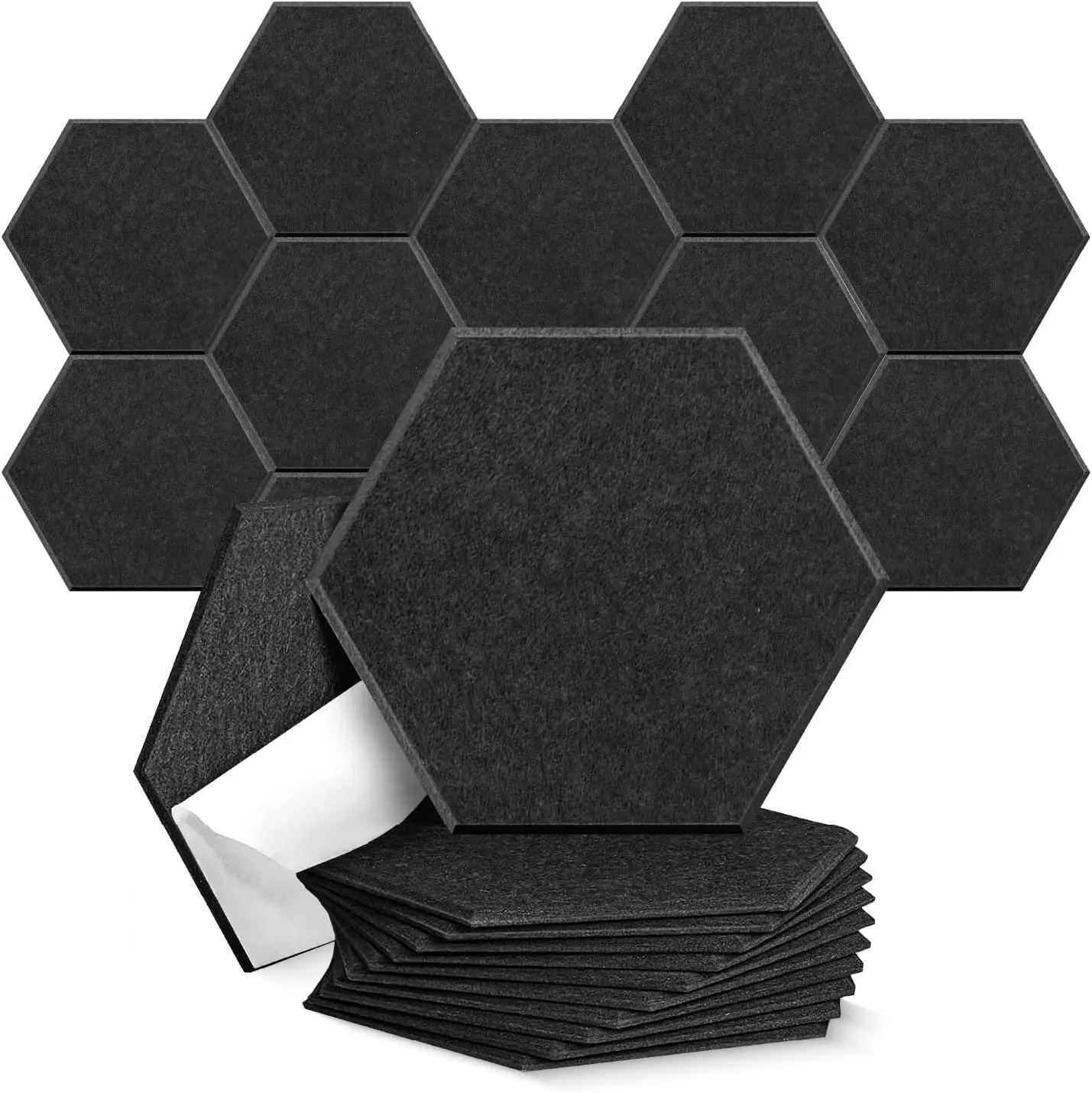
The application of acoustic foam panels could be a game changer when it comes to how sound travels in your home theater or podcast studio. They help to reduce and improve all sorts of sound quality, which among create a much greater user experience. If you are fond of watching your movies or recording your podcasts without interruptions, then a set of acoustic foam panels is the way to go. Quality acoustic foam for broad spectrum sound absorbent. Now we take a look at the advantages of these panels in home-theaters, podcast studios and other interior.
Acoustic Foam Panels - Pros and Cons
When you look at the breakdown, acoustic foam panels for soundproofing really do have a lot of pros going for them so this article will explain just that. When it comes to putting together a home theater, sound quality is super crucial. You can alleviate this with acoustic foam panels that also cut down on echo and background noise. That way, you'll hear every subtle detail out of your favorite movies without any distractions. For example, if you're watching an action movie, the explosions will sound crisper and more intense. How they work: These panels absorb sound waves instead of letting them bounce off, which allows less noise to vibrate around the room. Hard walls and floors can bounce sound, he says, making everything sound messy. But not if you have acoustic foam from JIANG FEN BEI - with our sound-sensitive, resistant material, you can get back to relaxing! The panels are available in various sizes and shapes, so you can select what works best for your layout. So you can even select different colors to complement the design of your room! One other advantage these panels provide is that they can assist with privacy. If you have a noisy family or neighbors soundproofing your home theater will ensure they won’t invade it and that you won’t disturb them. And that just makes your movie nights so much better. And installing the foam panels is a cinch. Firmly press them against the walls or ceiling without any special tools. It’s an easy way to make a big impact on how things sound.
How do Acoustic Foam Panels Improve Sound in a Podcast Studio?
If you’re a pod caster, where it sounds matters quite a bit. Acoustic foam panels can help transform your podcasting studio into a show-stopping audio spectacle. These panels serve to minimize unwanted sounds, such as echoes or noises from the outside that can hinder your recordings. Picture yourself recording your voice and hearing incredible crisp clear sound without any unwanted background noise. With JIANG FEN BEI sound foam, your listeners will hear a better performance cut through the mix. The panels absorb sound waves, so your voice glistens. This is useful when you have multiple voices on your podcast. You need everyone to be well heard. And good sound quality can even get you more listeners. People are more likely to stick around if your audio is pleasant. But the panels can also help make your studio look professional. They come in multiple designs so you can design a space to match your style and sound. You can also install them wherever you want, to easily upgrade your studio. Added bonus, they are portable, so you won’t have any trouble hanging them. Using an acoustic foam panel ensures that your podcast will sound awesome, and you’ll connect more with whoever listening.
Buying the Best Acoustic Foam Panels Wholesale: What to Consider
If you're looking to purchase acoustic foam panels for your home theater or podcast studio, there are a few important things to consider. First, start with the foam thickness. Thicker panels tend to better with soundproofing. Good thickness would be between 2- 4 inches. This size is capable of absorbing more noise, echo. Next check the density of the foam. The denser the foam, the better it is at blocking sound waves and keeping your space quiet. There are other types of foam out there, but I found that the high-density ones worked best.
Another factor to take into account is the body of the composite acoustic panel. Acoustic foam is available in different shapes such as wedges, pyramids or the standard flat square. Sound absorption would be greater with a wedge or pyramid shape because there is more surface area to take in sound. That means they can cancel echoes and make the sounds in your room clearer. And consider the color and style of the foam, too. You want your studio or home theater to look good, so pick out colors that complement your design. JIANG FEN BEI Many brands, like JIANG FEN BEI, offer various colors and patterns that work to suit any room in the house.
Price is important when purchasing in bulk, as well. purchasing in volume can mean savings, but make sure it is also good quality. They’re not all the same and don’t pick just the cheapest. Try to check reviews or request samples, to see how well the foam works. And finally, think about the size of the panels. Larger panels may be quicker to spread across the surface, but smaller ones are easier to slide into tight corners. Do be sure to measure your room first, so you’ll know how many panels you need. Consider these guidelines so that you get the right acoustic foam panels for your soundproofing requirements.
Why Acoustic Foam is Necessary for Recording Professional Sound
If you want to record sound for a podcast studio or a professional music studio then acoustic foam is the most important part. One reason is because it helps control sound reflections. Sound waves reverberate, smack into hard surfaces such as walls or floor and spring back in your direction, creating echoes. This can cause to make the recordings unbearable and random sounding. Acoustic foam absorbs those sound waves, so they don’t whip around the room. This gives the sound a nice cleanliness that is pleasant to listen to.
Another way in which combining audio foam is important is that it minimizes background noise. In a lot of locations, there are also sounds we don’t want to record, such as traffic or people talking or even the buzzing of an electrical appliance. Acoustic foam works to keep these sounds from entering the mic. This is crucial for podcasts, which are all about crystal-clear sound. If your audience hears sounds they don’t like, they won’t listen. JIANG FEN BEI foam panels can reduce noise and away from the busy life of sound, protects your recordings from a variety of unwanted sounds making sure that what you record is all that your audience hears.
You can also use acoustic foam to enhance the sound of your recordings. Clear, focused sound makes it easier to edit and mix down the road. This means you don't have to spend as much time correcting errors and can focus on working those greasy contents. Plays a large part in enjoyment of recording they, because who wants to listen to the neighbors when you’re trying to make music? Most importantly, you can concentrate on your project and not noise or room echoes. Ultimately, acoustic foam is a smart purchase for anyone who takes the art of sound recording seriously: you’ll hear the difference and come away with a much better finished product which benefits both creator and listener.
Top Myths Around Acoustic Foam And Soundproofing
There are a lot of myths about acoustic foam and soundproofing that can be misleading to people. One of the most common myths is that acoustic foam blocks all sound. It does help manage noise and echoes, but it’s not a magical cure that makes a room totally soundless. Acoustic foam is made to absorb sound not block it. This means it clears up sounds and cuts out unsolicited noise, but it won’t block all sounds from coming into or leaving a room. It’s worth noting that for total and complete soundproofing, you may need to use other ways, such as heavy curtains or soundproof doors.
Another myth is that the foam is all the same. In practice, certain types of foam outperform in specific situations. There’s foam that does better at soaking up high-frequency sounds, and ones that are more effective for lower frequencies. When it comes to selecting the right acoustic foam, you need to know what kind of sound you’re trying to control. JIANG FEN BEI makes many different types of products that can assist with different sound-related problems, so it may be best to inspect them first.
People also commonly believe that installing acoustic foam is a pain in the ass or an expensive endeavor. But generally, foam panels are easy to install. Most come with adhesive on the back, so you can simply stick them to the walls. And going the bulk route does not have to be expensive, and in fact can save you money. Finally, there are some who may think acoustic foam is only for professional studio. This is not true! Acoustic foam is for anyone who cares about sound quality in their home theater, gaming room, or podcast space. It’s a fantastic way to elevate your listening experience, wherever you are. Knowing these myths, however, can help you make more educated decisions about soundproofing your space.