
 EN
EN
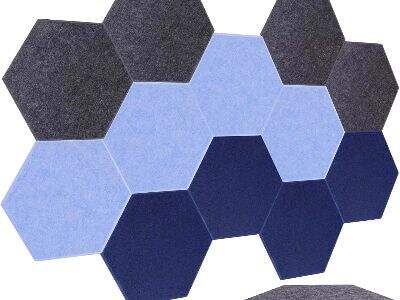
If you’d like to make your living quarters a little quieter, soundproofing your walls can be an easy and effective solution. Budget-friendly DIY solutions exist, whether you live in a noisy neighborhood or just need a little quiet Believe it or not, you can minimize noise pollution without spending a ton. This article will show you how to spot soundproofing problems with your existing walls, and share secrets for getting big results without spending a lot of money. We are endeavor to reach every home and want to know your thoughts of JIANG FEN BEI
How to identify typical problems with soundproofing existing walls
Before you make any changes, it’s essential to figure out where the noise is coming from. Listen carefully. Is it loud party music from the house next door? Or perhaps the noise of cars passing by outside? To help determine this walk around your home and notice which walls seem to be leaking the most noise. You can even tap on the wall to hear how hollow it sounds. If it reverberates or feels hollow, that wall probably could use a bit of help. See if you can identify any holes or cracks in the walls or near windows and doors. These can allow sound in as well as drafts. Or you can see if your walls are too thin. In a lot of homes, walls consist mostly of drywall, which does not absorb sound well. If you live in an apartment or townhouse, you may find that noise similarly transfers through walls
Be sure to notice any holes created by nails or screws. Small openings can also allow sound to escape. If you can hear your neighbor’s conversations or the T.V. clearly, then you will need to get some soundproofing done anyway It’s also useful to observe if one room is noisier than another. Bedrooms, for instance, should be quiet, so if you find rooms like these are noisy, it’s an indication that your walls aren’t in great shape. Just remember, the more you understand where sound is coming from, the easier it will be to choose which of the best solutions for your walls can be utilized for optimal performance
What methods are used to maximize soundproofing in an economical solution
Now you’re aware of its source, let’s discuss the cheapest ways to soundproof walls. One of the best ways to do it is by adding mass to your walls. This can be achieved by making the walls thicker or denser. You can achieve this using heavy curtains or hanging blankets on the walls. Because they act as sound absorbers, these species can reduce noise levels effectively. Alternatively, you can use acoustic panels that are made to block sound. You get these panels cheap or do them yourself from foam or some dense material
Another low-cost notion is to spread caulk around your windows and doors to seal up any gaps or cracks. Easy way to keep sound out. You could also have a second layer of drywall added to your walls. The double drywall method adds a new layer of drywall with soundproofing glue between the layers. It can make a big difference. And if you deserve to splurge, use green glue between layers of drywall to block sound even better
Don’t forget about furniture! Using them in bookshelves books can also work as excellent sound barriers. Move them against common walls to help soak up any sound. Rugs and carpets can also help by minimising sound that bounces off of hard floors. Finally, remember to consider that any little bit helps. Even tiny shifts can accumulate into a quieter home. The trick is to be resourceful and consider how you might utilize what you already own or cut costs finding some budget priced materials to help your walls better soundproof. Which means that with a little effort your life could be more peaceful and you wouldn’t even have to fork out a ton of money
How to Decide Which Soundproofing Method Your Space Needs
If you want to keep the noise level down in your room, it’s crucial that you pick the right method for soundproofing walls. First, consider which sounds bother you most. Is it loud music playing in the next room, traffic sounds coming in from outside, or perhaps people talking? If you’re aware of which sounds you want to keep out, that can help direct your pick for the most effective solution. Next, consider the walls in your space. If your walls are thin, as in an apartment, you might need a different approach than do I, with thick, solid walls. For instance, when you are hanging heavy curtains in the bedroom to keep outside noise at bay. Alternatively, you can put soundproof foam panels against the wall. These panels soak up sound and are simple to install
Also, consider your budget. Some soundproofing techniques can be costly — but often, the cheap options are some of the best. For example, you can add mass-loaded vinyl (a heavy material) to your walls to reduce sound It’s not too expensive, and you can install it yourself. It’s also important to remember that the idea is to help you cut through noise, and do so without breaking the bank. Finally, consider how much elbow grease you are willing to expend on the task. Some of these methods are easy to do in a weekend, while others will require more time and some more skill. JIANG FEN BEI has so many useful products to make your soundproofing project simple and effective. Remember that you should always plan ahead and select the method that works best for your space your budget, and your skill
What Are The Top Mistakes Made When Soundproofing Walls
When people attempt to soundproof their walls, they typically make some mistakes that can sabotage the efficacy of their endeavors. One major mistake people sometimes make is not sealing gaps and cracks in the walls. Even very small holes can allow a lot of sound to pass. And be sure to look for any cracks around the windows, doors and electric outlets. 1,2 You're going to fill these gaps with caulk or foam sealant. Another mistake is working with the wrong wholesalers. Some folks believe they can just add more drywall and that will do the trick, but it may not be your best option. Instead, soundproofing materials such as acoustic panels or sound-dampening insulation is often far more effective
People simply often maybe just to ALSO give the ceiling and floor a consideration. Sound can penetrate through these regions as well. You can use rugs or carpets under furniture to deaden the noise from below, and you may want soundproofing between your ceiling and the floor above if noise is bleeding down below. Another mistake is attempting to do it all at once. V Soundproofing in Phases It is best to soundproof in steps. Begin with the most crucial spots — walls that face busy street traffic or noisy neighbors. JIANG FEN BEI can assist you in finding the information and obtaining what is right for you. Finally, remember to test your work as you progress. Do a section and see if the noise level is better or worse. That way you can be flexible in your approach, if necessary
What Are Some Of The Popular DIY Soundproofing Solutions Among Homeowners
There are many homeowners who want their homes to have the sound of silence, but without having to pay a pretty penny for it. An easy favorite is covering your window with heavy curtains or drapes. These can eliminate outside sounds and are a good deal. You can also purchase these curtains in a rainbow of colors, to match your room theme. Acoustic panels are also a popular method. These panels are available in variety of shapes and colors to suit any need as well as provide the opportunity to use it functionally or decoratively. Homeowners can install them on walls themselves to absorb sound waves and minimize echo
Another interesting DIY option is creating your own soundproofing materials. For instance, a Well-liker can build himself a soundproofing board from plywood and sound-absorbing foam. This project is extremely basic and it can be made to perfectly fit your space. Others are even employing bookshelves stocked with books as a way to muffle sound. The books also make for a noise-absorbing barrier. JIANG FEN BEI is a supporter of those ideas and DIY soundproofing products to help your cause
In addition, many homeowners are discovering that furnishing rooms with soft furniture such as couches and cushions can help deaden sound. The soft materials help deaden sound and the room cozy. Finally, some are getting inventive with wall art. Heavy tapestries or fabric art on the walls can contribute to making a space look beautiful, while doing sound absorption as well. There you go, there’s plenty of fun and effective ways for soundproofing in your house without having to break the bank. With a little imagination, and the correct tools you can transform your home into a quieter haven
Table of Contents
- How to identify typical problems with soundproofing existing walls
- What methods are used to maximize soundproofing in an economical solution
- How to Decide Which Soundproofing Method Your Space Needs
- What Are The Top Mistakes Made When Soundproofing Walls
- What Are Some Of The Popular DIY Soundproofing Solutions Among Homeowners