
 EN
EN
DIY vs. Commercial Bass Traps: Which Is More Effective?
Bass traps allow for enhancing the sound quality of a room by absorbing sound waves of low frequency. What if you want to make bass traps yourself? While there is a great variety of materials that can be used to build your own bass trap to replicate commercial traps. DIY projects can be just as effective as ready-made ones, depending on the chosen material and manufacturing method. What are the common essential points to focus on, regarding whether DIY versus commercially made bass traps? Second, where do you find options for wholesale materials to build your bass traps?
Where to Find Wholesale Materials for DIY Bass Traps
Are DIY bass traps as effective as commercially made ones? When properly assembled from the right materials, DIY projects can be even as effective as ready-made bass trap. While I agree that commercial bass traps are convenient and thrive on providing a ready-made solution, having the possibility of customization equals the benefits. Rockwool, fiberglass, or foam panels are materials with it, DIY projects can be performed effectively. The result is likely to be as potent as the one obtained with ready-made bass traps based on a proper placement and technique. Where do you find B2B options for DIY bass traps Materials?
Popular DIY Bass Trap Designs and Their Effectiveness
In addition to using the DIY bass traps materials described above, you can save money by purchasing materials wholesale. Most suppliers offering acoustic panels, Rockwool insulation, or fiberglass boards also provide the materials in bulk form. This is ideal if you intend to build several bass traps for different parts of the room or multiple rooms. You can purchase discounted acoustic material from online shops similarly found local offering collectivity materials. Building DIY bass traps materials are affordable hence don’t require much to set aside with the wholesale options.
Balancing Cost and Performance - Choosing Between DIY and Professional Bass Traps
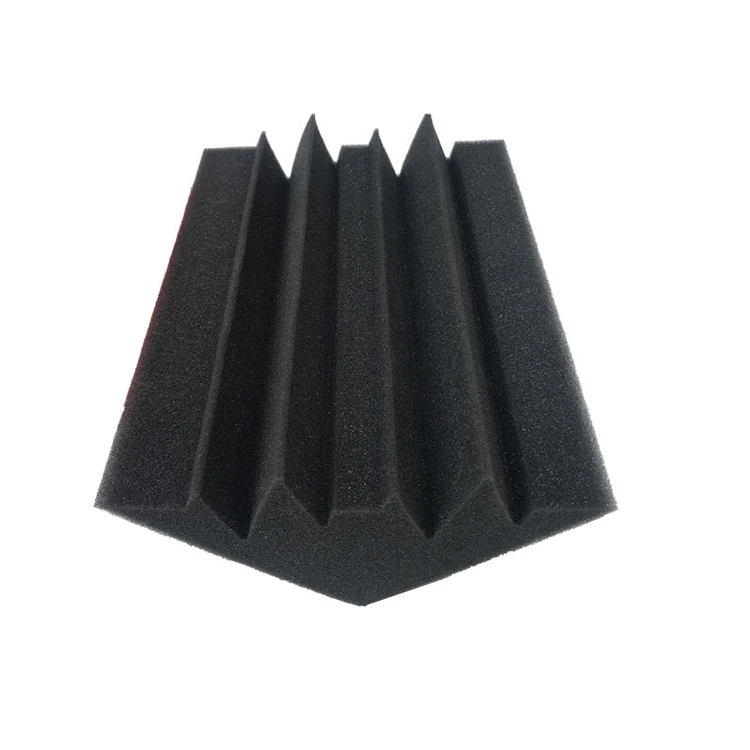
As stated above, the number of popular designs of DIY bass is rather significant and they were effective in absorbing low-frequency sound waves. The corner bass trap is one of the most popular types of designs because the low-frequency sound typically tends to concentrate in the corners of the room. The other design that is very common is the panel bass trap that can be attached to walls or ceilings and absorb the sound reflections. Such bass traps are usually designed in the form of wooden frames with foam panels or similar materials covered with the decorative fabric. More inventive DIYers, also, will usually attempt to experiment with more unusual designs like cylindrical bass traps or membrane bass traps which offer varying degrees of sound absorption. Even though DIY bass traps can be rather helpful regarding the sound quality in a room, they tend to be worse in the performance as compared to pre-build bass traps.
The latter are typically constructed with special materials and design-oriented in order to achieve the maximum of sound absorption. In addition, most of the available acoustic treatment products are subjected to normal tests, a factor that ensures that they perform. However, cheaper bass traps made or built by DIY bass trap panels or bass traps cost much better. Differently put, it will be possible to achieve the level of performance that will be similar to that of professional products through the use of high-quality materials and the adherence to the established rules of design. Hence, bass traps can still be regarded as a good source of investment in the acoustic comfort of the room, and the choice between the pro-treatment and DIY solution will rely on the budget and the qualifications.